
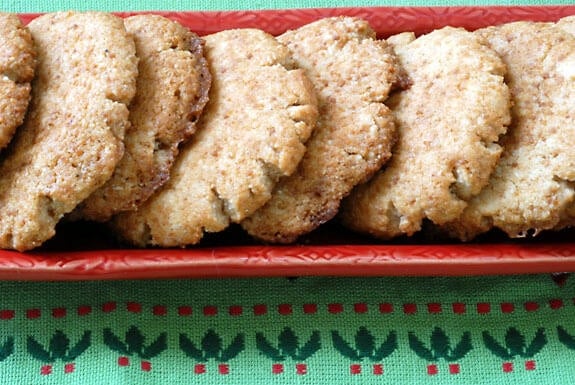
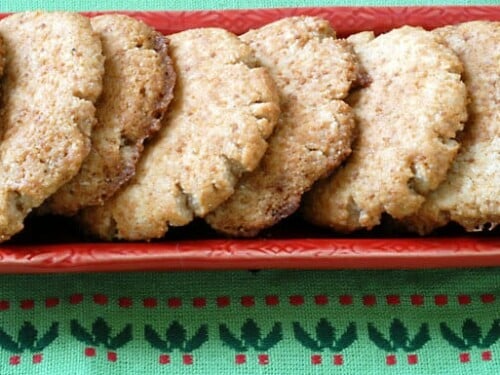
Gluten-free Gingersnaps are a deliciously addictive Christmas cookie that’s super easy to make. My healthy version contains a nice dose of anti-inflammatory ginger. That’s because I’m passionate about creating desserts that taste incredible while containing super foods. My recipes are a win-win for everyone!
Easy Low-Carb Gingersnaps Recipe
These low-carb Gingersnaps are the perfect holiday cookie. My children and I have been baking quite a lot of gluten-free Christmas cookies lately. I find this ginger cookie recipe especially easy to make and so do the boys. That’s why I was asked to prepare it live on Colorado’s “Everyday” Show. The program aired on our local Fox News Station.
Gingersnaps
Ingredients
- 2 cups blanched almond flour (not almond meal)
- 2 tablespoons arrowroot powder
- ¼ teaspoon celtic sea salt
- ¼ teaspoon baking soda
- 2 teaspoons ground ginger
- 1 teaspoon ground cinnamon
- 3 tablespoons palm shortening
- 2 tablespoons honey
- 1 tablespoon vanilla extract
- ½ cup coconut sugar for dipping
Instructions
- In a small bowl combine almond flour, arrowroot, salt, baking soda, ginger, and cinnamon
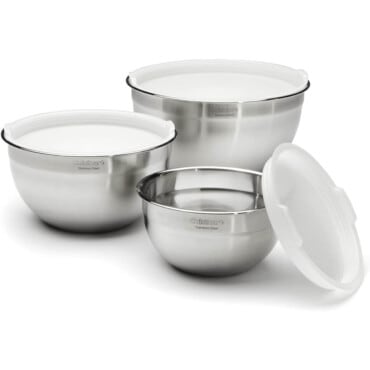
- In a medium bowl combine shortening, honey, and vanilla
- Mix dry ingredients into wet
- Knead dough by hand, until it comes together
- Scoop 1 tablespoon of dough and roll into a ball
- Briefly dip ball into a small bowl of water
- Roll wet ball in coconut sugar to coat
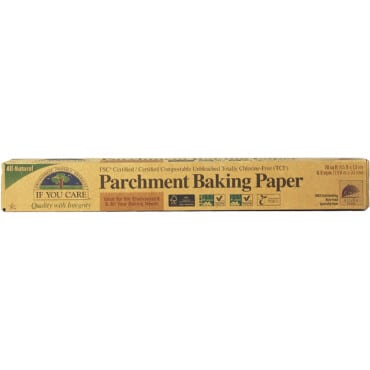
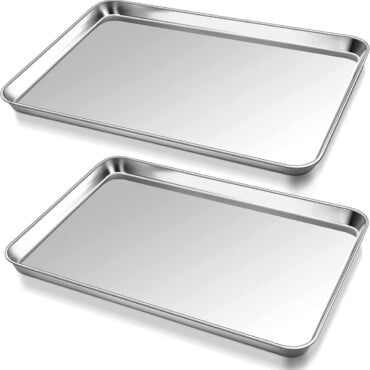
- Place ball on parchment paper lined baking sheet
- Flatten ball with palm of your hand
- Bake at 350°F for 7-8 minutes
- Cool and serve
Forming the Dough
I’ve made this recipe dozens of times and it comes out perfectly for us! If you live in a dry climate and your dough does not easily come together, feel free to add one extra tablespoon of honey which will do the trick. I haven’t ever had to do this, but want to troubleshoot for you just in case!
Healthy Christmas Cookie Recipes
I went on Twitter recently to ask folks a few questions about the holidays. I was having trouble deciding which cookies are appropriate for Christmas. The verdict was that my Peanut Butter and Jelly Cookies are indeed a Christmas treat.
Low-Carb Christmas Cookie Recipes
If you’re looking for other low-carb Christmas cookie recipes you’ll love these!
Watch Me Prepare Gingersnaps on Live TV
Here’s the video to show you how to make my Gingersnaps recipe!


Deanna says
These look delicious. I’m finding that I’m really enjoying the “primal” baking lately. I think the results are generally tastier than the gluten-free grain-based stuff. Now if I could only come up with a vegan grain-free muffin/quick bread recipe that rocked the world. (hint hint)
Ellen says
Lovely! I find Buckwheat honey to have a very molasses-y flavor so I use it in my grain free, sugar free ginger breads. I bet it would be wonderful in these cookies too!
liz says
elana-
these look lovely, and i have been begging around the blogosphere for an egg-free & grain-free gingersnap recipe. you must have sensed my desperation! do you think i could use coconut oil in place of shortening? the stores ’round these parts don’t carry anything that isn’t country crock, and i have a pantry full of coconut oil!
thanks a bil!
liz
Deanna says
Not Elana, but I would say coconut oil would work, though you might need just a wee bit less, as it’s more dense (less water) than shortening. I’d try 2.5 T coconut oil + 1/2 T. water.
Cathy says
Hi Elana,
I love your cookie recipes- can’t wait to try both the gingersnaps and the peanut butter and jelly ones! However, we only have coconut oil and butter available at our household, no vegan shortening currently in sight. Any ideas on which might be the better substitute? I don’t want to go to the trouble and waste good ingredients if you have an opinion either way. Thank you!!!!
Elana says
Cathy, I haven’t tried that so not sure :-)
Liz says
I had some gingersnaps that a cousin of mine makes…triple ginger. They had tiny chopped up ginger in them…I Love gingersnaps and can’t wait to try these. I would try to add fresh ginger to them as well.
Cathy says
I’ve got some candied ginger I was thinking of doing the same thing with!
Jessica says
This is wonderful, I plan to use this as a crust for vegan pumpkin cheese cake!
Jessica says
Ooooooo….I can just see that light, crispy cookie floating my way! Pressed like a fried plantain with crispy indentations along the rim and a delicate, soft center…nothing makes this warm December feel like wintery Christmas quite like a little ginger and a warm kitchen! Nice work!
Babs says
These look so delicious!!! Ginger cookies are my absolute favorite! Can’t wait to try them.
Stephanie says
Stacy, I have also heard that palm sugar is a non-renewable food. I’d be interested to learn more what you know about it. I’ve also heard that it is actually sustainable, and that once tapped, palm trees can produce sap for 20 years. You can read about that on this website:
http://www.thespunkycoconut.com/search/label/Sweeteners
I’ve started using palm sugar because it is low-glycemic, and actually good for you! I can’t have any sugar products, no matter how unrefined it is. I have a sensitivity to cane sugar. I’ve struggled with low blood sugar for most of my life, and cane sugar is a big culprit. Palm sugar is the first sweetener I’ve found that actually makes a crunchy cookie.
Elana, thank you for posting this recipe. I looked all over for a sugar free ginger snap when I was pregnant, and never found one. Now I get to enjoy them, without the pregnancy nausea. Maybe my two year old will like them too. :)
Stacy says
Stephanie, there’s a link to a tropical traditions page with the details about how coconut sugar kills coconut plants in harvesting on the link in the comment. I’ve spoken with them on the phone and can only trust they know what they’re talking about, but it is interesting that elsewhere information is out there about it being sustainable.
We all have to do the best we can with what works with our body, it was a sad sad day when we decided to give up coconut sugar because we loved it for all those same reasons.
Paula Brown says
Stacy & Kelly & everyone, I’ve been looking up information on coconut sugar, too, since I read the Tropical Traditions information. I see that my local Natural Grocers is now carrying coconut sugar labelled “sustainable” and they are usually pretty careful about the products they carry. So decided to do some more reading. What I found is that, if done correctly, the coconut flower can produce both coconuts and sap. The spadix apparently has lots of flowerets (thousands) and only 10 to 15 would grow into coconuts. The cut or tap in the spadix to collect sap can be made without affecting coconut production, according to the Phillipine Coconut Authority. Now, how to tell whether the particular products we have available are produced correctly is something I don’t know yet, but apparently it is possible.
To confuse things further, you can also purchase palm sugar, which may or may not be coconut sugar. It can also be made from other varieties of palms, such as date palms.
Anyhoo, I’ve decided to use a little coconut sugar once in a while. I’m looking forward to hearing any further information and will share any new info I find.
Lexie @ Lexie's Kitchen says
Yes everything in moderation. A few of us were chatting about this very subject … do other sources other than Tropical Traditions make this claim? If not, well hmmmmm.
Veronica says
It looks like Tropical Traditions’ claims about the use of coconut sap killing coconut trees may be suspect:
http://www.coconutsecret.com/sap%20vs.oil%20production.html
Lexie @ Lexie's Kitchen says
Bravo Veronica!
Veronica says
Your welcome, Lexie! Coconut Secrets (coconutsecrets.com) has great products and customer service. My favorites from them are the Coconut Vinegar, Coconut Aminos, Coconut Nectar, Almond Coconut Snack Bar and Mint/Cacao Nib Coconut Snack Bar.
Stacy says
Thanks for this – I’m thrilled to replace can sugar with palm sugar. Going to try to find more info overall and do an “update” post. Love a conversation starter!
Veronica says
Great! I look foward to this future post from you, Stacie.
Stacy says
Elana, these look lovely as usual. I know palm sugar is delicious and lower on the glycemic index, but did you know it kills coconut trees?
Erin (Pretty In Primal) says
There are a lot of misconceptions going around about coconut palm sugar production. It’s been produced in Thailand as the main source of sugar for ages and coconut palms are not in any danger of disappearing and it does not drive up the prices of other coconut products.
Most important thing to note about coconut nectar: coconut palms blossom and fruit continuously, so there is plenty of nectar and fruit to go around!
More info:
” Coconut palm sugar is produced from Coco Nucifera, the green coconut tree. Palm trees are believed to be the oldest flowering tree on the planet and have had millions of years to adapt and perfect it’s existence in the place it prefers to live; the tropics. If you’ve ever been to the tropics, you know that coconut trees are extremely prolific and coconuts are always being produced. They live in the rainforest and on sandy beaches of deserted islands; seems they can grow pretty much anywhere. So, here is one key point on the sustainability of the coconut tree – it grows almost anywhere in the tropics and requires very little care, if any.
Because the coconut palm sugar is produced from the nectar that feeds the coconuts production and if coconuts are always being produced from the tree, this means the nectar is always flowing. It is said that coconut palm sugar is 50% – 75% more productive than cane sugar per hectare because of this. Cane sugar is an annual crop, whereas coconut palm sugar has daily harvesting, every day of the year.
Some other key sustainability points:
Coconut trees are soil builders
Coconut trees help prevent erosion
Coconut trees can provide multiple items for life; timber for building, the leaves used as roofing, coconuts as food, coconut water as beverage, coconut husk for fuel and coconut nectar as a sugar.”
Elana says
Thanks Erin!