
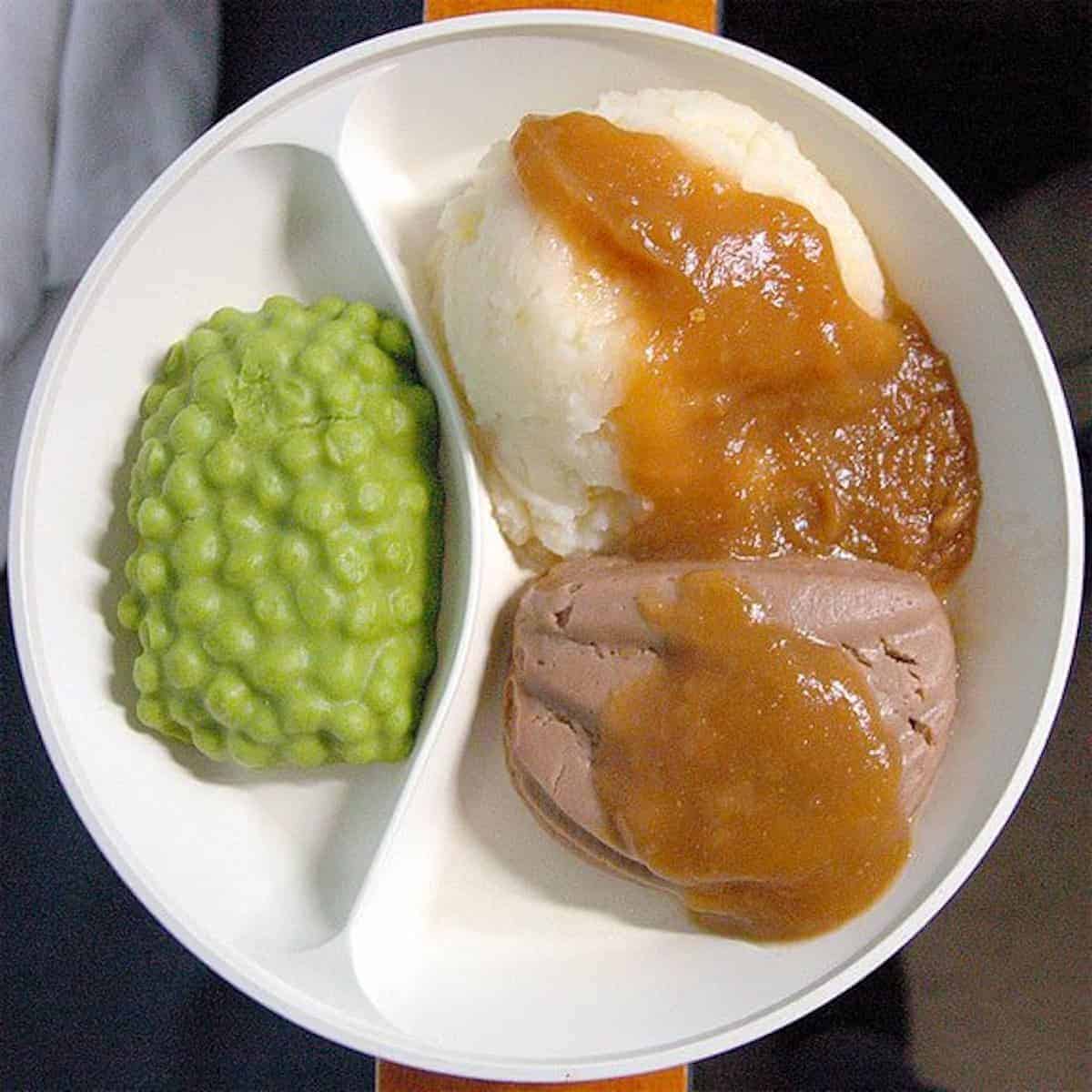
I was quite inspired yesterday when I saw an article in the New York Times about healthy hospital food. Healthy hospital food? Yes, this term need not be an oxymoron.
You may want to take a look at the entire article as it is filled with detail and solutions (on a small level, though it’s a start) to our national health crisis. What health crisis? One-third of Americans are diabetic or pre-diabetic which in the coming years could cost our system billions of dollars, along with other diseases related to lifestyle.
Last week I discussed Mark Bittman’s proposed soda tax as a possible idea for dealing with this looming crisis. The response? Most comments were not in favor of such a tax. I want to thank all who left comments on the soda tax post –they were informative and I enjoyed the lively debate.
Today, I want to take a different approach by looking at examples of individuals and institutions that are changing our food landscape through innovation and new ideas.
Here’s a great example. More than two years ago, in the wake of dismal patient food ratings, New Milford Hospital revamped its food service operation. It also instituted an “aggressive healthy-food initiative.” Some of the changes included eliminating the cafeteria’s deep fryer, as well as no longer using canned or processed foods.
“The hospital’s food service rating soared,” said Marydale Debor, a former vice president of external affairs at New Milford Hospital and a co-founder of the web site Plow to Plate, a grass-roots effort to bring local food and agriculture to the hospital and the community. Ms. Debor also established the cafe’s daily Senior Suppers, which became so popular with senior citizens that a second sitting was added.
The program has its costs and the chef explains how he has dealt with increased costs:
Buying local is expensive and labor intensive, Mr. Gold said, so he offsets the increased cost by buying less red meat and serving low-cost alternatives: protein-rich quinoa citrus salad and portobello burgers, for example. With help from community volunteers, Mr. Gold also installed a rooftop garden.
My father works at a university hospital and growing up I used to go to work with him on the weekends, so growing up I spent my fair share of time in a hospital cafeteria. I don’t recall great offerings back then, though happily, he says things have changed, “in previous decades the choices in my hospital cafeteria were limited, now, however, there is a full array of healthy food.”
So, here’s a new topic for us to chew on: hospital food. Leave a comment and let us know your thoughts on the type of program the New Milford Hospital has implemented. Do you think programs such as this can have an impact around the country? Do you have other ideas? Better ideas? Let us know!





Erin says
I’ve had several hospital stays and they’ve never listed to even the doctor saying or writing in the chart that somone just having spinal surgery on their cervical spine cannot open their mouth to eat a hamburger, much less serve gluten-free food. Then, the nurses admonish you for not eating the food you can’t eat anyway!
I say yes to the new programs! It doesn’t make sense to go to the hospital for getting better only to have the hospital contraindicate that! Maybe they need Jamie Oliver!
AnnMarie Deis says
Oh, yeah! That picture is one of the most disgusting things ever! LOLOLOLOL!!!!!!!
AnnMarie Deis says
AWESOME AWESOME AWESOME idea!!!!!!!! I love the rooftop garden. :) I stayed in a hospital seven years ago for a week and was horrified at the food and that was BEFORE I had taken the path down the natural, local food route. When I had my son four years ago, I made meals and froze them so my husband and I could have homemade meals during the first few weeks at home. My mother made a trip each of the three days we were there and retrieved the meals and let them thaw on the 30-minute ride to the hospital. Hospital food? BLECH! School food? UNBELIEVABLE! BTW, I saw an article in a magazine a year or so ago about a school district in Wisconsin (???) that had instituted an organic-only food plan for one year as an experiment. The result? The students loved it! I have always thought that had I gone into my life’s passion of teaching that I would have planted a nice garden/greenhouse to inspire a love of growing food. THANK YOU for the post. There is hope yet!!!!! :)
Karen says
A topic that has been close to my daily activities for many years. I am a swallowing therapist that has worked in hospitals for many years and I am just now seeing the changes that have been needed for years. I work for the Cleveland Clinic and about 5-6 years ago they started an initiative to make the food in the hospitals healthier as well as the selections for the visitors. They, unfortunately, had a contract that made it impossible for them to get rid of McDonald’s but they have made so many healthy options available for family and now for patients. They have been voted the #1 Hospital for Cardiology in the US for some 17 years in a row yet they were not promoting a healthy diet by virtue of the restaurants they allowed in the hospital. Finally…someone has made the necessary changes and they are practicing what they preach.
HOWEVER…and this is a big however….the patients and employees of the hospital were up in arms about the fact that all junk food was being replaced with healthy alternatives and soda would no longer be available. So…the other side of the coin is that there is a lot of push back to this change that is so badly needed. The folks who read this blog already get it…healthy food keeps you healthy…the majority of the world has not caught on to that or they choose to ignore it. We need more grass roots campaign’s to help people see that the choices they make today about food and what they eat will seriously impact their health as they age. Our problem with healthcare costs can be directly related to unhealthy eating. I see it every day with people who end up costing the system millions of dollars because they choose to be obese, overeat, not exercise and they end up with diabetes, joint deterioration, high blood pressure, and cardiac issues which lead to stroke, heart attack and limb amputation due to diabetes. Ok…going on too long but you get the picture!
Judy says
Please don’t perpetuate the myth that life-style is the cause of Diabetes. People do not choose to be diabetics. The current research coming out says type 2 diabetes is an inherited disease and true type 1 is more an auto-immune disease similar to my understanding of Celiacs Disease.
Karen says
It seems sad to me that hospitals are so far behind on healthy eating options. One would hope that they, as part of the health care system, would make setting an example a priority. Alas, that has not been my experience. When my Mom was in the hospital in Ohio/Pennsylvania, the options for her and for those of us visiting were so bad that I left and ran to Walmart (not a place I like to shop but it was close by) and got some safe food for me and some edible options for her.
The local hospital here (Oregon) is better and gives the illusion of healthy options until you take a serious look at what they offer up. It’s still cereals and grains and milk and butter. As someone gfcfsfef, sugar and almond free, it can be difficult. I generally end up with an apple. One thing I would LOVE it to see an end to the pre-made salads and sandwiches. It’s clear they have the items to make something safe for me but they don’t make to order. It’s nearly impossible to pick the cheese off a salad and the other salad options? Topped with slivered almonds. Now, I love almonds….which is probably how I ended up developing the allergy. What doesn’t have cheese or almonds on…has egg. and they chop the egg up. Just please, let me order a salad and tell you what I’d like on it so I don’t have to take a chance on being sick….
Shelly says
I’ve only been in the hospital when I had my three children. I don’t eat, I just can’t. The “food” they bring simply turns my stomach. I doesn’t look like REAL food, or smell like it, and it just boggles my mind the anyone thinks it is acceptable to feed ANYONE like that, let alone someone in the hospital!!! I agree, it is an area needing massive improvement! Although, if Americans would just start eating REAL food to begin with, perhaps not so many would be in the hospital at all…
Sonya says
How surprising to read about a fairly local-to-me hospital on your blog! New Milford isn’t the closest hospital to us, but it’s one where my 16 year old might be interning this fall. I had no idea, kudos to them!
I’m honestly terrified of having to stay in a hospital at this point. Not that it’s likely, but if I did end up there, even the medications would be a source of concern.
Judy says
The small town hospital that our physician practices out of has a flexible menu to accommodate within reason someones particular diet. All you have to do is write your request on the menu slip and they will do their best to serve it or find a compromise.
In one of the local big hospital hubby was in a few a years ago, the dietician came in and actually ARGUED with him about his not eating the high carb meals they were serving him as a diabetic. It was chicken-n-noodles that you had to hunt for the chicken, mash potatoes and gravy, peas, a dinner roll, and canned peaches in heavy syrup! And some hospitals wonder why they can’t get a diabetics blood sugars stabilized!
I just wish the American Diabetic/Dietetic Association would read the current research that says that the majority of diabetes on a low carb diet have stabler blood sugars, need less meds and have fewer complications. You have to wonder where their loyalties lie. It doesn’t appear to be with the diabetic! All we can hope for is the insurance companies figure out the recommended diabetic diet is costing them money and start pushing for the changes because the ADA isn’t listening to us.
Steve Kruzich says
These hospitals don’t want you on a low carb diet. that goes against their Heart healty diet. I had one of these so called nutritionists tell me i have to eat a heart healthy diet, and i said how do i do that being diabetic. she said eat both diabetic and heart healthy. So what do i eat? Grass? I told her life is too damn short to live that way. Its about quality of life not quantity.
Estelle says
I used to work next to a hospital (Paoli in PA) and let me say that their food was terrific! We used to actually go to the hospital for the food. I remember I had this nice salmon meal that day, everybody was asking me where it had come from.
Beth says
I think that with all the attention everyone has paid to school lunches and what kids eat, it’s about time that we start paying attention to hospital food. School lunches are bad, but most school at least pretend to attempt to serve healthy food. They are also held to the ADA standards and even IEP’s for kids with food allergies and celiac disease. It’s absolutely appalling how horrible most of the hospitals I’ve been in are with managing a diet that’s required for a disease. I can understand them not wanting to train their staff to cater to fad diets, but that’s not what this situation is. There is a medically necessity for those of us with celiac or gluten intolerance to have a diet completely free of gluten and cross-contamination, in the same way that low-sodium, or diabetics diets must be managed.