
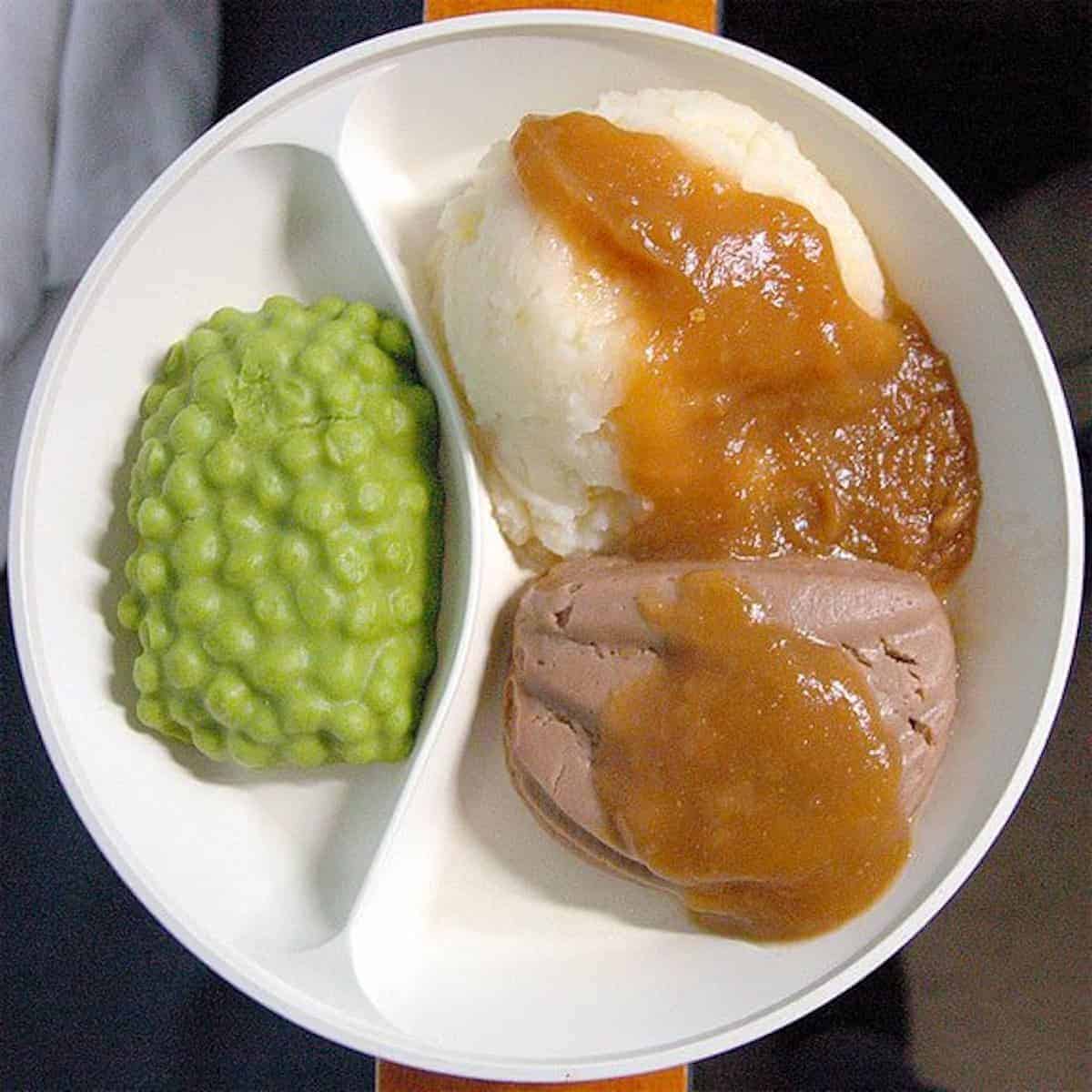
I was quite inspired yesterday when I saw an article in the New York Times about healthy hospital food. Healthy hospital food? Yes, this term need not be an oxymoron.
You may want to take a look at the entire article as it is filled with detail and solutions (on a small level, though it’s a start) to our national health crisis. What health crisis? One-third of Americans are diabetic or pre-diabetic which in the coming years could cost our system billions of dollars, along with other diseases related to lifestyle.
Last week I discussed Mark Bittman’s proposed soda tax as a possible idea for dealing with this looming crisis. The response? Most comments were not in favor of such a tax. I want to thank all who left comments on the soda tax post –they were informative and I enjoyed the lively debate.
Today, I want to take a different approach by looking at examples of individuals and institutions that are changing our food landscape through innovation and new ideas.
Here’s a great example. More than two years ago, in the wake of dismal patient food ratings, New Milford Hospital revamped its food service operation. It also instituted an “aggressive healthy-food initiative.” Some of the changes included eliminating the cafeteria’s deep fryer, as well as no longer using canned or processed foods.
“The hospital’s food service rating soared,” said Marydale Debor, a former vice president of external affairs at New Milford Hospital and a co-founder of the web site Plow to Plate, a grass-roots effort to bring local food and agriculture to the hospital and the community. Ms. Debor also established the cafe’s daily Senior Suppers, which became so popular with senior citizens that a second sitting was added.
The program has its costs and the chef explains how he has dealt with increased costs:
Buying local is expensive and labor intensive, Mr. Gold said, so he offsets the increased cost by buying less red meat and serving low-cost alternatives: protein-rich quinoa citrus salad and portobello burgers, for example. With help from community volunteers, Mr. Gold also installed a rooftop garden.
My father works at a university hospital and growing up I used to go to work with him on the weekends, so growing up I spent my fair share of time in a hospital cafeteria. I don’t recall great offerings back then, though happily, he says things have changed, “in previous decades the choices in my hospital cafeteria were limited, now, however, there is a full array of healthy food.”
So, here’s a new topic for us to chew on: hospital food. Leave a comment and let us know your thoughts on the type of program the New Milford Hospital has implemented. Do you think programs such as this can have an impact around the country? Do you have other ideas? Better ideas? Let us know!





Anna says
I was pleasantly surprised at the quality of food in the Kaiser cafeteria when my dad was there a few years back. They had a great salad bar and a wide variety of healthy options that were freshly prepared. I still remember one of their tofu dishes with fondness! The quality of the food the patients got was not quite as good. Certainly edible, but not as fresh and ironically they failed to follow their own guidelines. My dad was in the cardiac unit (which covered several floors) and on a low sodium diet, however each meal came with a salt packet! Having a good sense of humor he explained the irony of the situation to them. I’d be interested to go back to the hospital and find out if it’s changed since then.
Susan Wong says
I was in the hospital 4 years ago and the food was terrible. Even after I was diagnosed, they sent me biscuits and gravy. The diatition did not have a clue. She came to see me so I could tell her what celiac was. A real disaster.
Lauren says
I personally am on a gluten free, sugar free, low starch, low dairy diet (read: I eat meat, veggies, eggs, and almonds), so I am very sensitive to others’ dietary needs. When my grandpa was in the hospital and a rehabilitation center, he required a sodium free diet for both his high blood pressure and the fact that everything he ate tasted super salty to him (an effect of his drugs/illness. Everything from unsalted nuts to cottage cheese was too salty). It was like PULLING TEETH to get a low sodium diet for him (much less what he really needed, sodium free), as the food service staff kept explaining to my family that no additional salt was added to the meals. Well, that didn’t mean that the pre-packaged food didn’t already have salt in it. So here we are, feeding my poor dying grandfather food and insisting he eat it because we were assured that “no salt” was a part of his diet plan. When they started feeding him sausages and obviously not homemade sloppy joes, I knew what the problem was and why he wasn’t eating. It was all chock full of excessive amounts of sodium. It finally took threatening to pull him out of the facility for them to break and swear up and down that no salt would be fed to my grandfather, but unfortunately he didn’t make it long enough to test out the new agreement. I have very large doubts that they would have actually complied anyway.
I know that our school cafeterias get a lot of press in the need for a major overhaul in terms of fatty, fried, pre-packaged garbage food (not to mention the food allergy issue), but the hospital cafeteria system is somehow lurking in the shadows and not getting the attention it also needs. Both institutions needs to run from the pre-packaged and processed slop, and actually cook honest, healthy meals.
That is my rant for the day. :) Thank you for your post on this topic!
Jan says
I was in the hospital last week for surgery and before I was knocked out told them to make sure they put down I had Celiac Disease and could not have any gluten. They started telling everyone I was allergic to wheat. I had to explain to them it wasn’t just wheat I had to stay away from… OMG! Talk about feeling helpless in a hospital when you have to rely on them to bring you your meals. When I woke up later that night and asked the nurse that brought me my tray if it was gluten free she said “!All our food is free here. Don’t worry about having to pay for it. Just enjoy it.”!!! lol If people that work in hospitals (nurses, doctors,etc.) aren’t trained in what a gluten free diet is then how can we expect restaurants to be??? And you can bet I was also worried about cross-contamination. Luckily, I had no appetite and only had to stay overnight!
Karen@Cook4Seasons says
Fabulous post, Elana. My mom just got out of hospital, then a rehab center for a total of two weeks. She is used to eating fresh, whole foods and lost a lot of weight due to the deplorable food options there (she was already thin and frail.) Thankfully they allowed me to bring in my own, so I stocked her up with fresh fruit, quinoa and kale and homemade soups which carried her through.
Oh…and they can’t find it in their health regimen to adopt these foods, but they bring coffee and fruit soaked in corn syrup every day!
Bravo to New Milford. I will now watch this closely and work towards a similar adaptation in our hospitals, one bite at a time.
Brandon says
I was in the hospital for a number of months associated with malnutrition and anorexia. The food was not nutritious, but who cares as long as your trying to gain weight? Fried foods, sugar filled desserts, soy burgers…all nutrient disasters. I do believe that implementing health food options, even those for treating people with anorexia (increasing calories), is the best move for both physical AND mental health.
Amy says
I think it’s great that they are buying local, and not using canned or processed food. Community involvement for the rooftop garden is awesome. Now if the airlines would just follow suit….
Sarah says
I had a baby two months ago by c-section so I was in the hospital for a few days. I have gluten, dairy, soy, egg, sugar and corn intolerance, so I called the hospital before to find out how much food I should bring. I was told that all meals now were catered to you and what you could eat. I had to see it with my own eyes to believe it.
The nurses that were there for me insisted on having a dietitian come and talk to me to find out what I could eat. I had a list of questions about how the food is prepared and asked about specific dishes that were on their menu. She went and spoke to the chefs and then put everything on my account so when I called in my order, I was able to get everything prepared the way I needed it. I only had to supplement a few things. I had steamed fish, hamburgers, fresh fruit…and did not have one reaction! I was quite pleased and delighted that they had made this change.
Elizabeth Gail Wieda says
Halleluia! Finally someone is trying to reboot hospital food! I have long been amazed at the poor quality and choices in hospital cafeterias served to both customers and patients. If anyone should be health-oriented in food, it should be a hospital! Anything this gentleman can do will be appreciated and perhaps- in another 20 years- the ability to provide good, healthful food just might catch on. I love his rooftop garden– more power to him! Gail Wieda
Kristine says
We have nothing but good things to say about Swedish Hospital in Seattle. They provided us with a gluten free menu and unlimited food 24/7 with all items available a la carte.. The meals were served on beautiful rustic country stoneware,with napkins and napkin rings and delivered by a person in a uniform that looked like they were from one of the finest restaurants. Every food item was tasty and hot..and we are foodies (my daughter is a food photography and food editor).
I was surprised as how extensive the menu offerings were including items like broiled salmon, smoothies, coffee drinks to rival Starbucks. All in all; 5 stars!
Dana Zia says
Wow! That is amazing! Wish I lived in Seattle!