
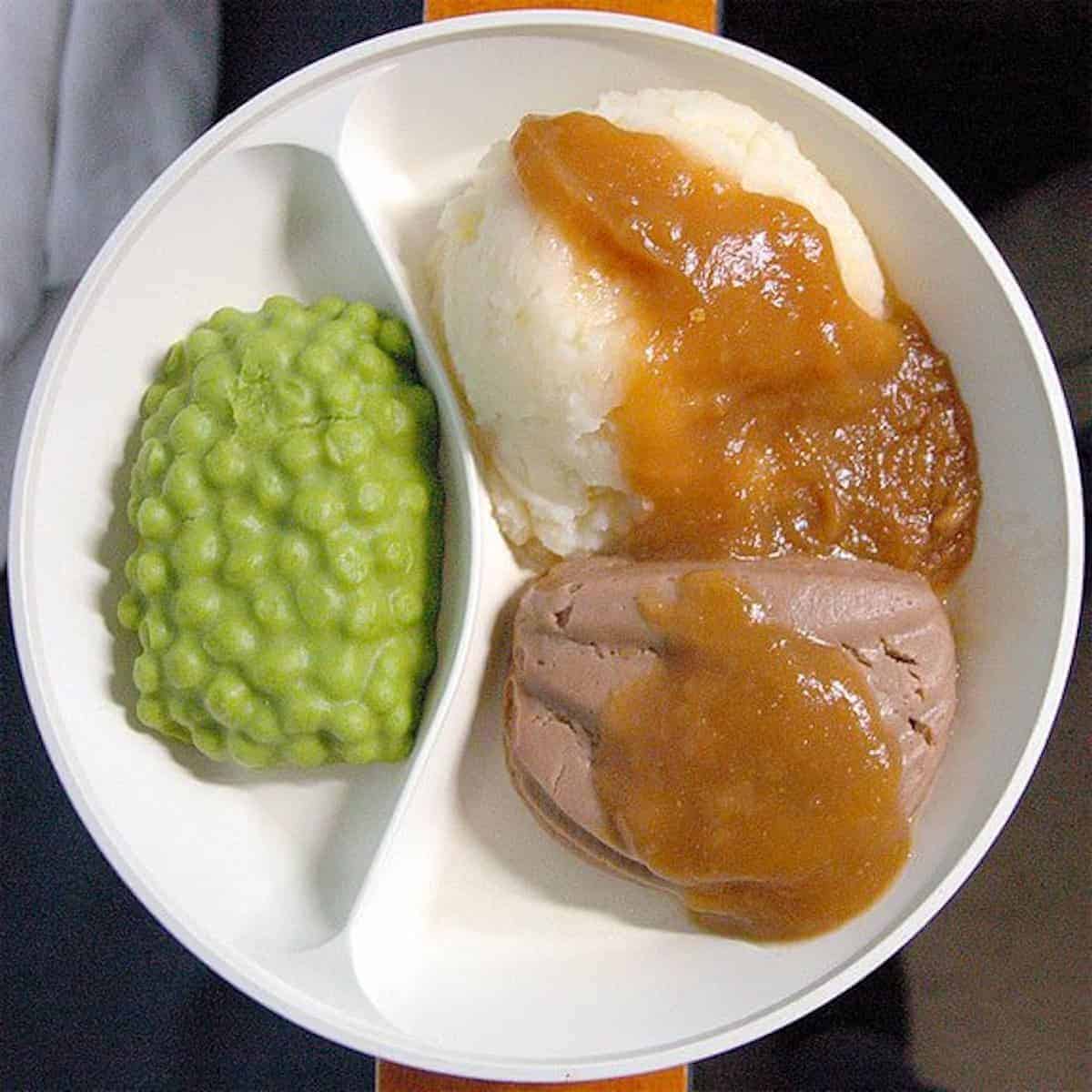
I was quite inspired yesterday when I saw an article in the New York Times about healthy hospital food. Healthy hospital food? Yes, this term need not be an oxymoron.
You may want to take a look at the entire article as it is filled with detail and solutions (on a small level, though it’s a start) to our national health crisis. What health crisis? One-third of Americans are diabetic or pre-diabetic which in the coming years could cost our system billions of dollars, along with other diseases related to lifestyle.
Last week I discussed Mark Bittman’s proposed soda tax as a possible idea for dealing with this looming crisis. The response? Most comments were not in favor of such a tax. I want to thank all who left comments on the soda tax post –they were informative and I enjoyed the lively debate.
Today, I want to take a different approach by looking at examples of individuals and institutions that are changing our food landscape through innovation and new ideas.
Here’s a great example. More than two years ago, in the wake of dismal patient food ratings, New Milford Hospital revamped its food service operation. It also instituted an “aggressive healthy-food initiative.” Some of the changes included eliminating the cafeteria’s deep fryer, as well as no longer using canned or processed foods.
“The hospital’s food service rating soared,” said Marydale Debor, a former vice president of external affairs at New Milford Hospital and a co-founder of the web site Plow to Plate, a grass-roots effort to bring local food and agriculture to the hospital and the community. Ms. Debor also established the cafe’s daily Senior Suppers, which became so popular with senior citizens that a second sitting was added.
The program has its costs and the chef explains how he has dealt with increased costs:
Buying local is expensive and labor intensive, Mr. Gold said, so he offsets the increased cost by buying less red meat and serving low-cost alternatives: protein-rich quinoa citrus salad and portobello burgers, for example. With help from community volunteers, Mr. Gold also installed a rooftop garden.
My father works at a university hospital and growing up I used to go to work with him on the weekends, so growing up I spent my fair share of time in a hospital cafeteria. I don’t recall great offerings back then, though happily, he says things have changed, “in previous decades the choices in my hospital cafeteria were limited, now, however, there is a full array of healthy food.”
So, here’s a new topic for us to chew on: hospital food. Leave a comment and let us know your thoughts on the type of program the New Milford Hospital has implemented. Do you think programs such as this can have an impact around the country? Do you have other ideas? Better ideas? Let us know!





Elizabeth King says
I was pleased to read about hospitals making their foods more nutritious & a roof top garden is a great help in this. I am from Canada & I was amazed that there was mention of chefs in regard to hospitals. I have been in hospital twice the first time when I was diagnosed with Celiac. I was quite ill at that time but when they finally gave me some food to eat it was awful. I remember gagging over the rice bread. On my second stay i lost weight because there wasn’t much choice for Gluten Free eating & I am not sure that they really understood my needs. Our meals in our local hospital are brought in from out of town as is the case in most of the hospitals here if not all. There is definitely room for improvement. I think good healthy food is half the battle of recovery. It plays a significant role.
Connie says
As someone who works in a hospital and sees some of the food offered, I am often appalled. I am also gluten intolerant and am hard-pressed to find anything I could ever eat. If we’re wanting our patients to change their diets, perhaps we should start with the hospital cafeterias to show how things could be done differently.
Mom Steiner says
One needs to remember that when one is unfortunate to be hospitalized, various drugs are in play – anesthesia and pain killers. All of these alter our sense of taste and food often tastes awful when to an undruged pallet it would taste fine.
Reiko says
About time we got rid of the irony. Not only is it important that patients are fed healthy food for the sake of recovery, but we also need more instances of “role-model food”. And what better place to set examples for healthy lifestyles than a hospital? :)
Nana says
This is a wonderful article and I hope that other hospitals take note. It’s a marvelous idea to feed patients food that will help them to recover!
Kiran @ KiranTarun.com says
There are only a few hospital where I know its possible to get some decent meal. Mostly are hopeless. Sigh!
Camille Salvatore says
Great news… A hospital is an environment that many age levels share. It is about time that hospitals turn their focus on providing healthier meals and not just providing cutting edge medicine. The hospital should care about more than just patients. Everyone whom walks through their doors is a potiential advocate for the hospital. Good or bad. I have spent more than my fair share of time in a hospital either sick, birthing, taking care of ill toddlers and family members and the one thing I wish would have been better was “the food”. Staff changes, Dr.’s end their shifts, night turns to day and yet I still have to eat. Who wants to leave the hospital when you have to be there? Who wants a husband to leave so he can have better food. Family friendly and foodnow food friendly this is fantastic. I am glad they are moving towards a brighter better future.
JM Shephard says
After three days of my having nothing to eat because of kitchen errors, my hospital dietician angrily told me “Hospitals are not set up for special diets.”
Karen says
I had major surgery roughly 2 1/2 years ago. The hospital where I stayed was really accommodating, especially given I wasn’t allowed solid food from the night before until the morning after my procedure. They brewed the mint tea bags I brought in for nausea and when I could finally have solid food the nurse was great about sorting out anything to which I had allergies, even fed me earlier than scheduled because she could tell I was doing better than expected. The first thing I got to eat post-op was fresh fruit.
I also remember when I had my son the hospital where I delivered a few years before had amazing food. I think even my husband ordered a few things off the menu for himself. I wouldn’t say it was nutritious, mostly comfort food if you get my drift (this was about a year before I learned about my allergies), but it was still pretty darn good.
Heather says
When my daughter was born, I couldn’t believe the nastiness of the food. I suppose that for hospital food, it wasn’t terrible, as I had no restrictions, but still, what a difference from the high quality organic food I had been eating while pregnant. Hospitals should attempt to promote health, not serve Mountain Dew.
Just another reason to give birth at home. And to TAX SODA! LOL:D