
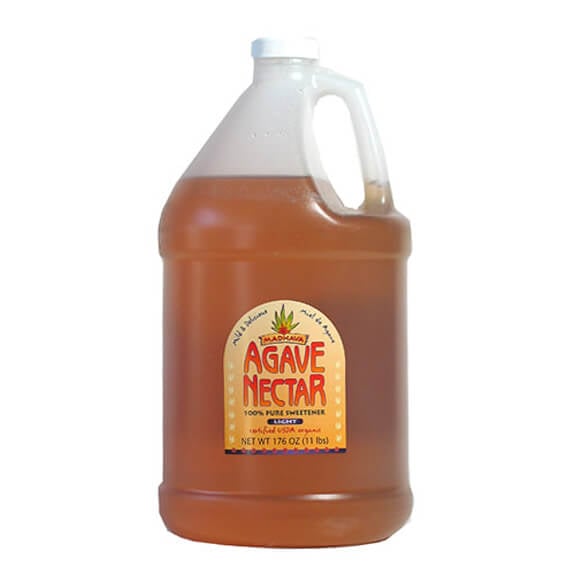
“Why do you use agave? I’ve heard that it’s very unhealthy” I’m asked this question about my “go to” sweetener on at least a daily basis.
First off, there really is no perfect sweetener, so I recommend everything in moderation.
We often take sugar and other sweeteners for granted, forgetting that they were not widely available to humans until the modern era (excluding of course, those living in the tropical regions feasting on mangoes and pineapple). Processed sugar was invented between the Medieval Period and the Enlightenment (more than 500 years ago), it became more widely available during the 1400 and 1500’s. By 1750 (with the advent of the Industrial Revolution and the invention of sugar mills) sugar became wildly popular.
So if we really think about it, up until a couple of hundred years ago, the majority of the human race (at least those living in colder climes) only experienced the taste of sweetness by eating fruit when it was in season (or when nursing, of course). The fruit that was eaten was not the overly ripe, super sweet fruit that is bred today. Think of wild blueberries –they are tiny and tart. The fruit we eat today has been cultivated for its juicy, sweet flavor.
I think the spike in diabetes and other diseases we have seen during the past decades may partially be due to the fact that humans are not accustomed to eating large quantities of sugar and are not able to efficiently metabolize this substance.
Sugar is sugar. Agave is sugar. An apple is sugar with some good vitamins, minerals and fiber. Basically, many of us (especially those with celiac) would be prudent to monitor our intake of sugar in any form (celiac and diabetes ride on the same HLA gene, so the presence of one increases the likelihood of the other).
While I do use agave in my dessert recipes, I am very cautious about my overall intake of this (and all other sweet substances) because I find that unfortunately, I am one of those whose body rebels against too much sugar. Of course, my husband and children can eat a lot more of this substance than I do and still feel great. That’s what keeps me baking like a fiend. They want their treats and they do just fine with them.
For those of you that are now on the anti-agave bandwagon, I have come up with this date sweetened recipe. Of course, I will still be using agave because I feel ok when I consume it in very small amounts.
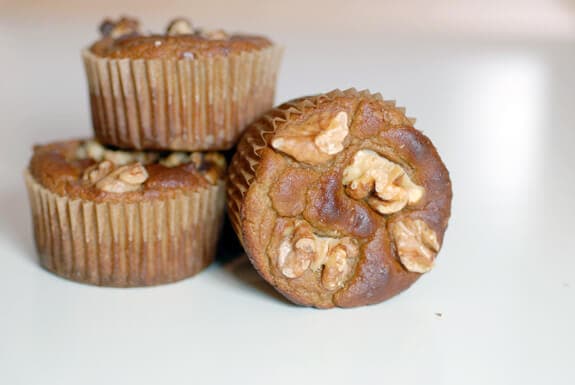
Banana Walnut Muffins
Ingredients
- 3 large eggs
- ¼ cup coconut oil
- 2 medium bananas
- 3 dates (remove pits)
- 10 drops stevia
- ¼ cup coconut flour
- ¼ teaspoon celtic sea salt
- ½ teaspoon baking soda
- ½ cup walnuts, toasted and chopped
Instructions
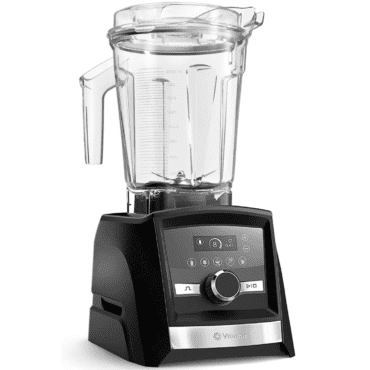
- Place eggs, oil, bananas, dates and stevia in a vitamix; blend on medium speed until combined
- Add in coconut flour, salt and baking soda and blend until smooth
- Fold in walnuts
- Scoop ¼ cup batter into a paper lined muffin pan
- Bake at 350°F for 20-25 minutes (my batch took exactly 23 minutes; all ovens are slightly different)
- Cool and serve
Equipment
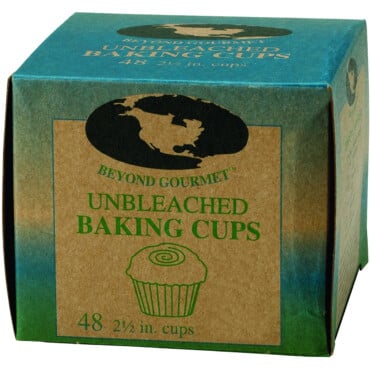
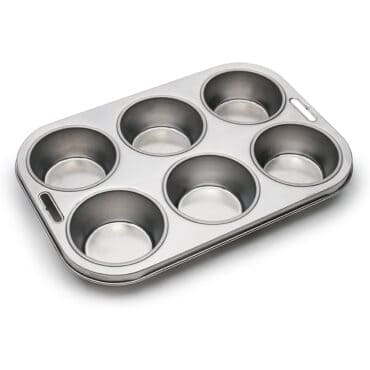
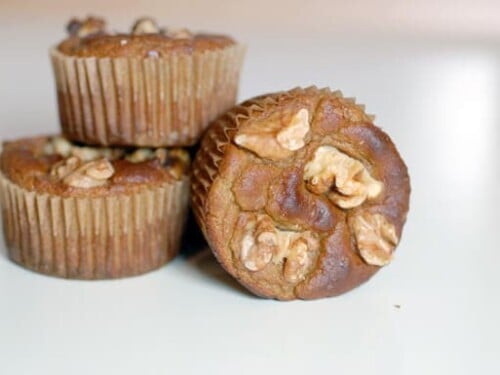
These tasty gluten-free, Paleo (I think) muffins do not contain agave for all of the agave-phobes out there. I will be creating some desserts with alternative sweeteners just to spice things up (plus, I like a good challenge every now and then). However, I will still be using agave for some recipes.
In terms of the great agave debate, I want you all to know that I use Madhava Agave Nectar. While I’ve noticed a lot of your comments with links to articles about the evils of agave syrup I want to also point out this link posted by one of my readers, Shari, from Madhava’s President Craig Gerbore.
On a much lighter note, here’s a cool coincidence in regards to agave nectar. The winner of last weeks Freebie Friday is Karen from wrighttherapies.com. She left an interesting comment regarding the controversy over agave nectar on my Asian Salad Dressing post.
Agave or not, have a great weekend!
UPDATE: please visit Madhava’s Agave MythBuster website for more information on the agave debate.



Alchemille says
Tammy,
The sweetener with the lowest glycemic index (and the most sustainable) is coconut sugar…You might want to check it out (it’s also rich in minerals).
Marissa says
I have recently been reading up on coconut sugar and it looks VERY promising! I mostly use date sugar right now (and xylitol in my coffee). Do you know of a reputable place to purchase real coconut sugar?
Marian says
I found Navitas Naturals brand for Palm Sugar at my local Henry’s (Wild Oats) but you can also purchase it online at http://www.navitasnaturals.com/products/palm.html . I’m going to be looking for it in some Asian stores. If you google Palm sugar you will find several articles about it.
Genie says
Elana, you are so talented! These muffins are beautiful! I’m all out of coconut oil, but I might have to buy some tomorrow just to try these out. :)
Alchemille says
Elana,
Thank you for bringing this up!
It’s true that every type of sweetener should be consumed in moderation…And lately I have found (to my big surprise with my life long hypoglycemia) that I do much better with very little to no sugar at all.
I usually also use half the amount of sweeteners in recipes which gives a minimal sweetness to baked goods & desserts (this upsets my husband whom I tell he can always add more). I prefer eating fresh summer fruits and load up on vitamins!
We are not meant to thrive on sugar, like we aren’t meant to thrive on grains.
Our ancestors even though they had access to natural sweeteners, didn’t enjoy them all year long (unless they prepared preserves or dried their fruits): bees don’t make honey during the cold winter, fruits are seasonal (and some are sweeter than others) and maple or birch syrup (which require some work & time to boil down to the right consistency) could only be enjoyed in Northern Countries.
Lately i stumbled on recipes to make (pancake) syrups out of dried fruits such as raisins, dates or figs (for example), I think they’d make fine homemade sweeteners ;).
Boiling down fruit juices to make syrups/concentrates is also a good idea (but it takes time and patience).
If you have a persian/middle-eastern grocery store nearby, you might want to check it out. They carry interesting items such as date molasses, grape molasses, even carob molasses (which I haven’t tried).
Jenny says
This is a very good comment. People tend to forget just because sweeteners were available doesn’t mean people used to gorge on them the way modern human does. The amount of sugar an average human consumes in a day is absolutely ridiculous! (Along with the amount of grains we consume.) Moderation, moderation, moderation :)
Elana – I am SO excited to try these muffins. Banana nut without agave?!??!?!?! Did you read my mind? This is the exact recipe I’ve been mulling over in my head to create while too lazy to start experimenting. I can’t thank you enough!
Diane-Thewholegang says
Great comments. Sugar is so addicting and you can find it in most processed foods, gluten free or not. It’s the go to ingredient. I’m with you two in limiting the amount. I too have a sensitive system that really does not take too kindly to sugars. Thank you for the great information and recipes.
donna says
hi
this is the first i have ever heard agave is ‘unhealthy’…in fact everything i had known about it was just the opposite plus the fact that it does not affect blood sugar…as a hypoglycemic it had been a great thing to have around for baking etc..
we have all heard honey has some benefits but it DOES affect blood sugar..so i only use raw honey very sparingly…i am curious to know what is being said about agave..can someone direct me to where i can find out?
thanks
donna
Diane says
This is from Mark’s Daily Apple:
“Agave “nectar” is not made from the sap of the yucca or agave plant but from the starch of the giant pineapple-like, root bulb. The principal constituent of the agave root is starch, similar to the starch in corn or rice, and a complex carbohydrate called inulin, which is made up of chains of fructose molecules.Technically a highly indigestible fiber, inulin, which does not taste sweet, comprises about half of the carbohydrate content of agave.
The process by which agave glucose and inulin are converted into “nectar” is similar to the process by which corn starch is converted into HFCS. The agave starch is subject to an enzymatic and chemical process that converts the starch into a fructose-rich syrup—anywhere from 70 percent fructose and higher according to the agave nectar chemical profiles posted on agave nectar websites.”
I think Elana is right on as far as sweetness in moderation –
CoconutGal says
I concur Elana. Everything in moderation, right?
That is why, I am glad that I cannot tolerate eggs, or I would be baking those muffins and eating half of a batch all by myself :-D
Nah- I’d trade agave for eggs any day!! Have a good weekend!
Tammy says
Becca, you can order Agave in quantity from Amazon.com, among other sites.
For those of us with diabetic health issues, agave is a gift from God. It’s low on the glycemic index and a spoonful has about the same amount of natural fructose sweetener as an apple. A little goes a long way. The problem is that corn is forced in unnatural ways to be a sweetener (high fructose corn syrup) and is in fact unhealthy, but it’s not the fructose, it’s the process and the source (grain, not fruit/cactus). People are scared by the term “fructose” but it’s one of the only natural sugars that is safe for diabetics (unlike date sugar). And it has no aftertaste like stevia.
Just thought you need even MORE discussion on your page. :D Thanks, Elena, for a wonderful site!
Michele says
I would like to offer a word of friendly warning – I thought agave nectar was a “safe” sweetener for diabetics like myself, but I ended up very, very sick because my blood sugar rose over time without my knowledge. I wasn’t using large amounts of agave, but I have since learned, with the aid of a glucose meter, I cannot use even a teaspoon of agave (or any other sweetener) without my blood sugar rising to unhealthy levels.
I hate to see anyone else make the same mistake I did. Keep an eye on your postprandial glucose when using any sweetener.
Ruthey says
Very good to point out. Agave nectar is not intended for those with diabetes. It is slightly better then refined white sugar. But ass Elana said, sugar is sugar, AGAVE NECTAR is sugar.
Katie says
@michele: you are correct, agave is especially not good for diabetics or hypoglycemics. In the past, it was believed since agave has a low-glycemic index & didn’t spike your blood sugar like regular sugar does, it was believed it would be a good alternative for diabetics. But it turns out that although agave doesn’t contain a lot of glucose, it contains more fructose than any other common sweetener, including high-fructose corn syrup. More recent research shows that even moderate amounts of fructose are unhealthy. Can see this with medical research & even read up on Dr Oz “taking back” earlier statements on Agave due to the more recent findings.
@Ruthey: Just an FYI: not all s”sugar is sugar”. Our food supply contains varying sugars: monosaccharides (single sugar units like fructose and glucose) and disaccharides (two monosaccharides linked together). They are metabolized and used by the body in different ways. For example, glucose requires insulin to effectively work in our body -not really a big deal for many of us but a diabetic would need to pay attention to the important distinction (i.e. differences in sugars).
Janice says
The glycemic index measures only glucose. Agave is about 90% fructose, so it has a lot more sugar than the GI measures.
Becca says
I noticed the (very) large bottle of Agave at the open of this post. Where can someone like me purchase something of that size? I am a believer in Agave and hate how much it costs and how often I have to buy another bottle.
Ruthey says
Costco often sells two bottles of raw organic agave nectar at a very reasonable price.
Gina says
I was also wondering why you didn’t mention honey, my husband’s preferred sweetener, which has been around since bees!
Elizabeth says
p.s. It must be such a pain to get daily mail about this, when meanwhile, any schmo can figure it out to just substitute an equal amount or so of their preferred sweetener. It’s not rocket science. To each her/his own, with all of the choices out there, right? :)
Ann says
Hear hear! Totally agree – although we use plenty of agave as well, I like to mix it up to diversify.
Ruthey says
Elizabeth, I understand your reasoning. However, why be so rude about it and try to sugar coat it with a smiley face at the end? Rude is rude. Learn some manners.
Beryl says
I don’t know how informing someone about facts could be construed as rude. Don’t project, it’s unnecessary.
a says
sorry i can’t qutie see whats rude about this but anyway……
Elizabeth says
Sorry Elana but… they had honey, from time immemorial… very old. And Native Americans boiled down maple syrup from we don’t know how far back; they used birchbark pots. (And, wild blueberries and other wild berries, when ripe, are really sweet!) There’s always been sweetness :D