
This is a post about you, not me. Along those lines, I have some questions, I want to get to know you better. To find out what you like, and also what you need.
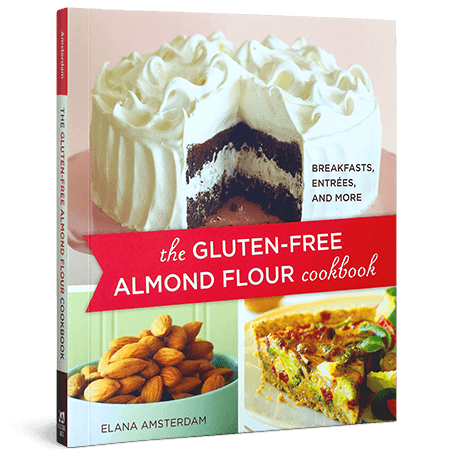
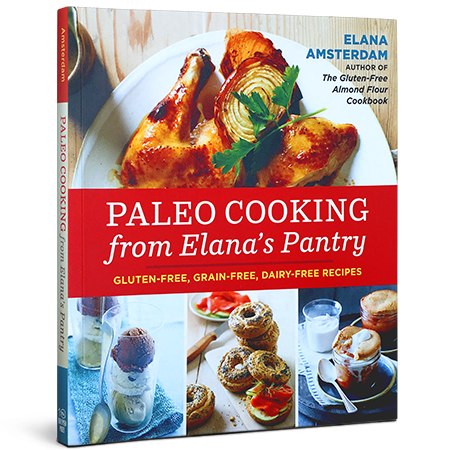
Why? I’m thinking of writing another cookbook. For the past ten years, I’ve had cookbook writing on the brain. And in the past four years I’ve created two of them. Now, I’m entertaining the idea of writing a third book. If I do, I’d like it to be of benefit to my readers. So here are my questions:
- What, if any, are your dietary restrictions?
- Are there foods you are not allergic to that you avoid?
- Which type of recipe (i.e., bread, salad, entrees, sides, desserts, etc.) do you find most useful?
- Of the cookbooks you own, which sections do you find yourself using most frequently?
- What is your definition of “healthy food”
- If you could ask for one thing in a cookbook, what would it be?
Feel free to answer all of the questions above, or just a couple. I’m really looking forward to hearing from you, and getting to know you a little bit better.
I will (as always) read each and every comment left below and while there may be competing requests and wishes, I will do my best to incorporate them into my future projects.

Ester Perez says
Hi Elaina,
I also own both of your cookbooks and they are great! I use them as a base for my recipes because I love adding lots of spices.
I would love some crockpot meals and second that on having one pot casseroles. Also, more vegetable dishes.
Best of luck with your next cookbook!!!!
Ester Perez
Cat says
I second this – I would love more recipes for paleo one dish and crockpot meals!
Kirsten says
1. Gluten and dairy
2. Meat and Seafood
3. Vegetable/vegetarian recipes
4. Baking
5. Minimal processing, minimal sugar, minimal salt – whole natural foods
6. Grain-free Vegetarian entrees!
Thanks for taking all of our thoughts and ideas into consideration!
Judy Dorsey says
I’d like more vegetable recipes.
christine says
I love your cookbooks. After borrowing many gluten-free, Paleo and vegan cookbooks from the library, the one I kept coming back to time and again were yours, Bruce Fife’s Coconut Flour Cookbook and Julia Child’s “Mastering the Art of French Cooking for the great vegetable recipes and instructions for scratch cooking.
I would like to see more vegetable based recipes that are worthy of main course status. it would be nice to see them as casseroles, one pot dishes, raw food worthy and budget minded. I’d like to see Buckwheat, Quinoa and Amaranth incorporated.
My spouse is a dedicated vegetarian. He will eat eggs and dairy in small amounts. I lapsed only because of the arduous process of eliminating all the allergenic, cross-reactive foods and hidden gluten while getting enough protein to heal. It’s been very difficult to get enough nutrition when grass grains, legumes of all sorts, hemp foods and mammal meats are off the menu. While I love fish, consumption poses an environmental dilemma as well as it’s far too contaminated for my comfort. Now that I know what to avoid and what’s safe, I will move back to vegetarianism slowly testing every step of the way to make sure nutrient absorption is optimized and auto-immune lab markers negative/well below threshold.
Since neither of us can eat soy (we ue Coconut Aminos and Vinegar) or other legumes but miss Asian cuisine, we both like recipes to make key items like Plum Sauce, Hoisin Sauce, Satay, etc, Middle-Eastern and Mediterranian signature flavors as well as more convetional more conventional condiments such as ketchup, mustards, mayonnaise that avoid white vinegar (grain reaction), soy ad canola oils.
Hope this helps inspire some ideas.
Joyce Powel says
1. Allergies to gluten, dairy and soy.
2. Tomatoes; sugar
3. Meataless entrees. Side dishes!
4. I use the entree sections and the side dish sections most.
5. Healthy means none of the foods I’m allergic to, low fat, no refined sugar and made with fresh ingredients – nothing processed and no microwaving involved. Also – no hard to find ingredients!
6. Down to earth recipes, something I can make and serve to anyone and be confident the food will taste great and not make me sick.
Denise m says
What, if any, are your dietary restrictions?
Gluten only
Are there foods you are not allergic to that you avoid?
Most grains, corn, potato
Which type of recipe (i.e., bread, salad, entrees, sides, desserts, etc.) do you find most useful?
entrees, sides and desserts
Of the cookbooks you own, which sections do you find yourself using most frequently?
slow cooker meals
What is your definition of “healthy food”
food that is low carb/low sugar/grain free (nut flour ok)
If you could ask for one thing in a cookbook, what would it be?
low carb casseroles, slow cooker meals, more healthy ethnic meals
Laura says
Hi,
I love your cookbooks but they would even be better if they have the nutritional information available for each recipe. Knowing the calories, fat, fiber, carbs & protein would be very helpful. Thanks.
Amy says
So excited you’re considering another cookbook! Thanks for asking for our feedback.
1. gluten and lactose intolerant (but will take lactaid pills for something made with a good cheese or a little cream, so if you do lactose-free recipes its nice to have the option to use real dairy or a substitute)
2. trying to reduce carbs and sugar intake
3. I’m always looking for entrees that will re-heat or be tasty cold the next day for lunch. Also like entrees like risotto, chili, stew, hummus where I can make a big batch and store individual servings in the freezer. Makes it easy for dinner on a busy day or to take for lunch to work. Finally, breakfast recipes that travel well without refrigeration – like scones or protein bars. I travel a lot for work and hotel breakfasts are not so gluten-free friendly
4. i use the salads, entrees sections most often, and the appetizers for entertaining.
5. healthy is rich in protein and fiber using fresh ingredients
6. I’ve loved the way your past cookbooks have been laid out and I like the size of them, they fit well on my cookbook stand and are easy to read when you’re in the midst of cooking, so I’d say stick to that layout
oh and one little thing – as a single person I love it when a baking recipe can be easily cut in half – i.e. it uses 2 or 4 eggs but not 3 or 5 eggs. I may be in the minority on that one but just throwing it out there.
Janelle says
I eat a Paleo diet – no grains, legumes, dairy. I also can’t eat nuts and try to limit my fruit/ added sugar intake. A book with recipes along those lines would be awesome!
Laura says
What, if any, are your dietary restrictions? no diagnosed allergies
Are there foods you are not allergic to that you avoid? gluten and cow’s dairy and sugar
Which type of recipe (i.e., bread, salad, entrees, sides, desserts, etc.) do you find most useful?
as a student, one dish meals, make ahead meals and meals that can be frozen
Of the cookbooks you own, which sections do you find yourself using most frequently?
I use the salads/soups and desserts section most often.
What is your definition of “healthy food”
Healthy food means eating REAL food (no additives), cooking from scratch using fresh seasonal ingredients, eating a variety of foods, a heavy emphasis on plant based foods and some room for indulgence
If you could ask for one thing in a cookbook, what would it be?
As a student, I would like more recipes without almond flour because that stuff is tasty but too expensive for me! I would also like more substitution options
thanks Elana :)