
This is a post about you, not me. Along those lines, I have some questions, I want to get to know you better. To find out what you like, and also what you need.
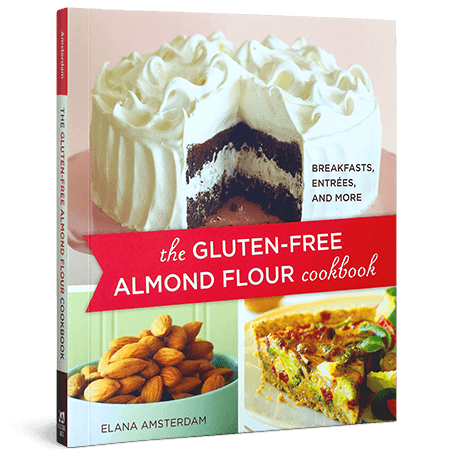
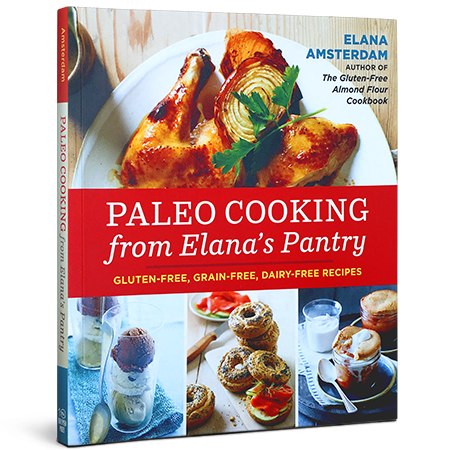
Why? I’m thinking of writing another cookbook. For the past ten years, I’ve had cookbook writing on the brain. And in the past four years I’ve created two of them. Now, I’m entertaining the idea of writing a third book. If I do, I’d like it to be of benefit to my readers. So here are my questions:
- What, if any, are your dietary restrictions?
- Are there foods you are not allergic to that you avoid?
- Which type of recipe (i.e., bread, salad, entrees, sides, desserts, etc.) do you find most useful?
- Of the cookbooks you own, which sections do you find yourself using most frequently?
- What is your definition of “healthy food”
- If you could ask for one thing in a cookbook, what would it be?
Feel free to answer all of the questions above, or just a couple. I’m really looking forward to hearing from you, and getting to know you a little bit better.
I will (as always) read each and every comment left below and while there may be competing requests and wishes, I will do my best to incorporate them into my future projects.

Barbara says
Hi. I eat gluten free and soy free because of health issues. The foods I have to avoid are curciforous veggies, peanuts, millet because I have a thyroid issue. I try to eat paleo but I do eat rice and buckwheat once in a while. I would like to see more entrees and breads that do NOT include, potatoe strach or tapioaca or millet or corn. You know what I mean. To me healthy food is organic unadulterated whole food. I like cook books that have simple easy to make recipes. Thank you. I love your web site. All the best with the new book.
Laura Fisher says
1. No gluten.
2. But I also try to avoid eating sugar, rice and potatoes and too much diary, but I am only allergic to gluten.
3.As lovely as your desert recipes are it’s main meals that i need the most recipes for, as they’re a daily occurence rather than an occasional treat. Salads, sides, main dishes, vegetable dishes etc.
4. The index. I like being able to look up an ingredient I have in my fridge (eg pork) and get a whole raft of suggestions.
5. My definition of healthy is paleo. Lots of veggies and meat.
6. A paleo cookbook by Elana Amsterdam!
Amy says
I second the comment about the index – when you have something leftover that can be invaluable for ideas!
Melissa says
Ohh I was hoping you would come out with another cookbook! I prefer pictures for each recipe, I am also interested in recipes that can be prepared ahead of time and that will freeze well for easy meal planning through the week.
Looking forward to reading it :)
Pam says
How about appetizers, spreads and sauces with a large amount of nightshade free recipes! Foods sweetened with stevia and/or xylitol would be nice too.
GiGi says
More and more we are having to change our diets because of food manipulation. Is there a good paleo diet cookbook? I know someone. who benefitted from that diet after years of suffering as you have.
My intolerance is wheat. Almond meal has helped me so much to be able to have a treat once in a while
Good luck planning your next venture. I appreciate your work.
Marie
Kathy L says
1.What, if any, are your dietary restrictions? I do well without carbs-at least the simple carbs. I don’t care for soy. That is why I love your Almond Flour cookbook & on line recipies!
2.Are there foods you are not allergic to that you avoid?I am no allergic to wheat or soy but I do avoid both.
3.Which type of recipe (i.e., bread, salad, entrees, sides, desserts, etc.) do you find most useful? Desserts & breads
4.Of the cookbooks you own, which sections do you find yourself using most frequently? Muffins/Scones/Cookies-your book for things that make a good snack during the work day.
5.What is your definition of “healthy food” Low carb, low/no sugar, high in protein & vitamins
6.If you could ask for one thing in a cookbook, what would it be? Simple, fast recipies for the above mentioned.
Abby says
My family tends to eat whole foods as much as possible. Sometimes the hardest thing is finding a new recipe for vegetables. We eat so many vegetables during each season, that we sometimes get sick of eating cucumbers and summer squash. And it can be too hot here in Maryland to really spend a lot of time cooking so you look for quick cool foods that taste good and aren’t always salad. I cannot tell you how many salads we have eaten this summer. We are so ready for a cold winter! We tend to stay away from all the sugars, flours, mixes and eat real food from our garden or farmers markets. Don’t get me wrong, we love to have a treat from the gluten free baker but not everyday. A good cookbook would be one that I could use everyday! Recipes that are a weekly thing but seasonal too. Like good ratatouille and grilled zucchini stuffed with quiona and tofu sausage. recipes that could be altered with other seasons veggies.
Wendi Wright says
What, if any, are your dietary restrictions? no gluten!
Plus I recently had the Array 4 test done and discovered my immune system is cross-reactive with several other things besides wheat, mainly rice and potato. Although I scored moderately high also on corn and quinoa (which is what my pasta is made from). So I am trying to stay off rice and potato entirely for six months and then will add them back on in a rotating grain diet. A day or so for each grain and then switch off for awhile and go to another grain. I’m already on a rotating diet for the other grains to keep my immune system from becoming even more reactive to those as well. I limit all grains in general, but sometimes it is nice to have something good (recently made your almond flour chocolate chip scones that were EXCELLENT)
Are there foods you are not allergic to that you avoid? not really
Which type of recipe (i.e., bread, salad, entrees, sides, desserts, etc.) do you find most useful?
Sides that use alternative grains or almond flour (for example, quinoa with mushrooms and onions, or different recipes for corn masa. Also bread, crackers, biscuits, flatbread, soft tortillas, rolls.
One thing I’d like to find is a way to get biscuits or flatbreads/soft tortillas using almond flour. I really miss my biscuits that I used to have with my soups. Would love to find a recipe for almond flour graham crackers so I can have s’mores with everyone else around the fire.
Of the cookbooks you own, which sections do you find yourself using most frequently?
soups, breads, and desserts. Also have started experimenting with side dishes that involve grain or beans – for example, recently I’m trying to learn how to make falafel. Also experimenting with different quinoa recipes. Really starting to look at different ‘ethnic’ side dishes. Corn mush with a tomato sauce that I had at an African restaurant a few years ago. Still trying to reproduce this…
What is your definition of “healthy food”
shopping the edge of the supermarket. fresh veges, fruits, meats, and cheeses. breads made from high protein and high vitamin/mineral level flours – like quinoa and millet, etc. I don’t use a lot of the ‘white’ GF flours anymore. I don’t like eating things with a lot of processing – with added chemicals to them that I’m really not sure I can even pronounce much less why they are in there. I also buy organic as much as possible.
If you could ask for one thing in a cookbook, what would it be?
I would like to have a section in a cookbook too that talks about substitutions. If you can’t have rice/corn/quinoa/potato/tapioca flour/starch, here is what you can use instead (and the amounts that you need to sub for each). Or if you can tell me if I have a recipe that uses a GF flour mix how much almond flour should I use. For example, I have a recipe that calls for 1 cup GF flour mix. Can I just sub 1 cup almond flour? One thing I noticed is that almond flour makes things very moist so I’m not sure how it would work out in substitutions.
Michelle says
I won’t buy cookbooks that are not fully illustrated- so that is highly recommended!
I am allergic to legumes (peanuts, soy, garbanzos, lentils, all those things), am lactose intolerant, and have wheat sensitivities. I also don’t eat meat, except for seafood. Lots of dietary restrictions :) Which is why I pick and choose from several favorite blogs, including yours.
I use appetizer and dessert sections of cookbooks the most often. I mostly only bake “healthy” things- which to me means no refined grains, low or no sugar, only natural sugars like honey, brown rice syrup, sucanat , in small quantities.
I love a lot of your recipes, but some of them I have difficultly with because they are higher in fat than my normal diet. I have to watch calories as well as avoiding processed foods.
Jeni Clark says
1.What, if any, are your dietary restrictions?
NO wheat, dairy, grains, sugars or chemicals. We do use Stevia and have substitued all of your recipes with this (vs using honey, agave etc..) It would be GREAT to have a section of a recipe with “substitutions” at the bottom of the page
2.Are there foods you are not allergic to that you avoid? Grains
3.Which type of recipe (i.e., bread, salad, entrees, sides, desserts, etc.) do you find most useful?
We LOVE the bakery items. We do NOT feel deprived at ALL because of so many of your recipes!!!! THANK YOU! Your cook books are by far the BEST on the market! My(your) books are mangled because they are used SO MUCH!
4.Of the cookbooks you own, which sections do you find yourself using most frequently?
Bakery items
5.What is your definition of “healthy food”
REAL FOOD! Non altered. However, because we have autoimmune issues, we avoid real food that can cause inflammation.
6.If you could ask for one thing in a cookbook, what would it be?
Substitutions section.
I personally have redone MOST of your recipes for us :) Already :) I would be HAPPY to share!!!!!! I just wrote them directly in my (your) cookbooks. I have tweaked many of them as well :)