
This is a post about you, not me. Along those lines, I have some questions, I want to get to know you better. To find out what you like, and also what you need.
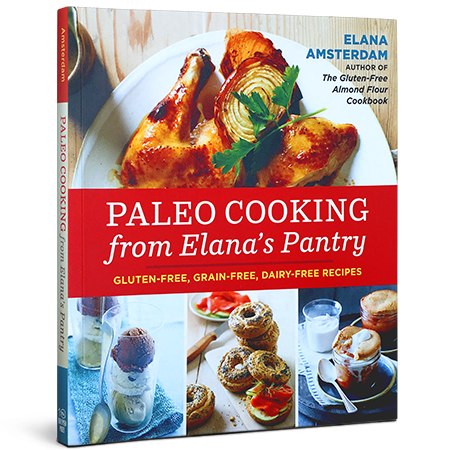
Why? I’m thinking of writing another cookbook. For the past ten years, I’ve had cookbook writing on the brain. And in the past four years I’ve created two of them. Now, I’m entertaining the idea of writing a third book. If I do, I’d like it to be of benefit to my readers. So here are my questions:
- What, if any, are your dietary restrictions?
- Are there foods you are not allergic to that you avoid?
- Which type of recipe (i.e., bread, salad, entrees, sides, desserts, etc.) do you find most useful?
- Of the cookbooks you own, which sections do you find yourself using most frequently?
- What is your definition of “healthy food”
- If you could ask for one thing in a cookbook, what would it be?
Feel free to answer all of the questions above, or just a couple. I’m really looking forward to hearing from you, and getting to know you a little bit better.
I will (as always) read each and every comment left below and while there may be competing requests and wishes, I will do my best to incorporate them into my future projects.

Janice Fritsch says
A cookbook with recipes that are sugar-free, sweetener free, and focus on living without sugar. Perhaps fruit (fructose) would be okay.
elviira says
1. Low-carb, gluten-free, sugar-free, soy-free.
2. Sugar, artificial sweeteners (I use stevia and erythritol, sometimes xylitol), anything with too high carbs (though fruits and berries are okay in small amounts).
3. Desserts! Snacks and bread as well.
4. Desserts, snacks, bread and condiments.
5. Natural, simple, nothing artificial, nothing too high in carbs (fruits and berries are okay in small amounts)
6. A photo with each recipe. Clear instructions.
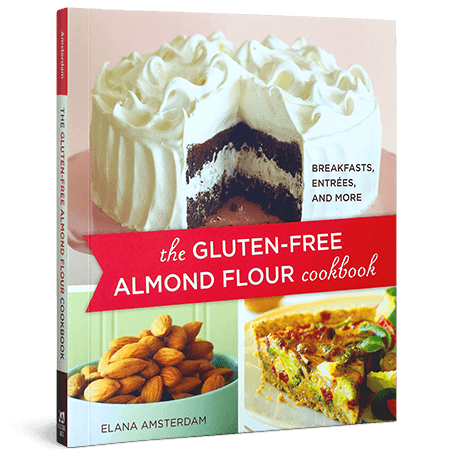
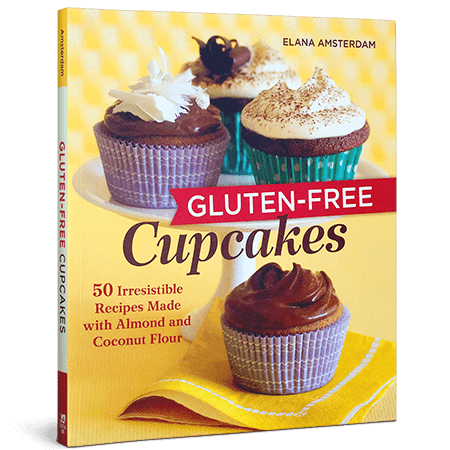
Your book Gluten-Free Cupcakes is amazing! I’m still going to purchase the Almond Flour Cookbook, definitely. Unfortunately it’s still missing from my bookshelf.
Alta van Zyl says
My dream cookbook?
No gluten, no grains, no nuts, no starches, no sugar.
Guess it says PALEO (minus the nuts).
Like to bake and love sweet treats, but apart from coconut flour, what remains? (I’ve been experimenting with fruit and veg in baking, such as banana/apple pancakes. Even pureed cauliflower shows potential in baking.)
Prefer sweetness to come from fruit (prunes, banana, dates…)
There are now so many almond and other alternative flour cookbooks out there, would be a blessing if you could be the pioneer in grain-free, nut-free baking!
Thank you, Elana, for being the intrepid experimenter (is there such a word?) that you are!
robyn M says
I would love to see something that emphasized simple regular meals (lunched and dinners) that work well with autoimmune paleo. there are so many starchy gluten free books already and quite a few paleo but I have celiac and hashimotos and need to give up nightshades in addition to the regular paleo restrictions and it’s a pain, harder for me than going gluten free. and because of hashimotos am suppose to limit the cruciferous veggies… I know you recently went full blown paleo and nightshade free too…been searching the web for a meal plan type thing based on AI paleo but alas nothing much in the way of recipe planning. i’m just not that creative with my veggies and meat.
mary christian says
I have one of your cookbooks and really love it. I’m interested in Paleo recipes using coconut flour as well as almond. It would be great to see more main dish ideas and salad and vegetable side dishes. You are awsome thanks for all the great ideas on your website!
Linda Mazar says
What, if any, are your dietary restrictions?
No gluten, no dairy, no fructose (including agave), low carb, not too high is non-soluble fiber
Are there foods you are not allergic to that you avoid?
sugar
Which type of recipe (i.e., bread, salad, entrees, sides, desserts, etc.) do you find most useful?
main dish, treats, snacks
Of the cookbooks you own, which sections do you find yourself using most frequently?
main dishes
What is your definition of “healthy food”
low carb, non-gluten, non-dairy, no-sugar, fresh is good, organic is good, etc
Alisa says
I know how you make simple whole food meals, and that is what I could always use the most help with. Delicious healthy meals that can be thrown together quickly.
Dairy-free and gluten-free in our home – no other restrictions per say, but we prefer to keep it to the basics :)
Jackie says
1. What, if any, are your dietary restrictions?
No gluten, no cane sugar.
2. Are there foods you are not allergic to that you avoid?
Dairy, all meat except seafood, most sweeteners except stevia/honey/coconut nectar, non-fermented soy products, try to keep grains to a minimum.
3. Which type of recipe (i.e., bread, salad, entrees, sides, desserts, etc.) do you find most useful?
I find myself looking mostly for dessert recipes because almost all regular desserts have something in them I can’t eat…to the point where I’ve amassed too many dessert recipes while repeating the same few main dishes…so I guess at this point entrees and appetizers would be most useful for me.
4. Of the cookbooks you own, which sections do you find yourself using most frequently?
I don’t know that I use any section most frequently…I kind of read through them to get an idea of what type of dish I want to make, and then I go into the kitchen and improvise. But I refer a lot to spices and seasonings used in different dishes, and the recommended proportions for them. I really like when alternative seasoning blends are suggested, so I can try something a little different each time I make the dish.
5. What is your definition of “healthy food”
Simple and honest. Clean, fresh, organic, and preferably seasonal and local. No preservatives, chemicals, processed junk, obviously. Something close to paleo/primal ideas of healthy food. Foods that are nutritionally dense and also offer medicinal/health benefits…no empty calories or things that will cause inflammation or spike blood sugar.
6. If you could ask for one thing in a cookbook, what would it be?
Recipes that use ingredients that are easy to find and don’t cost a fortune. Anything based on kitchen staples is great. I’m looking for recipes that I can make every day of the week, not expensive or time-consuming projects for special occasions.
Recipes that can be pared down for 1 or 2 servings…I don’t have a big family and I’m often the only one who eats what I make.
Also, I really only use recipes that are 100% health conscious. What I mean by that is…I find a lot of recipes that, for example, use almond or coconut flour…but then it calls for 1 1/2 cups of sugar. I will pass right over that because for me that is just way too much of any kind of sweetener unless you’re making a giant 3-tiered cake. Some people eat to avoid just one or two allergens, but that doesn’t necessarily mean that they are still eating healthy. I keep in mind the full health impact of each dish, so it would be nice to have more recipes that meet this requirement.
Another thing is…I wish there were more recipes that didn’t try to be substitutions for foods in the standard American diet. Tofu will never taste like cheese. Beans will never taste like hamburgers. Zucchini noodles will never taste like spaghetti. I’d like recipes to focus on the individual tastes of the actual foods they’re using, instead of trying to replicate something that they aren’t. I hope that makes sense.
Lynn Krukowski says
Thanks for doing this research.
Your cookbooks and blog recipes are excellent and a blessing.
I have problems with gluten, soy and corn.
If I look in a cookbook it is for gf holiday celebration baking or for cooking with seasonal fruit (rhubarb, blueberries…)
I would love a cookbook that went through the year with suggested recipes for each holiday or season (using local organic ingredients) that I could bake.
Like the idea of healthy breakfast foods too.
Thank you for all your wisdom and great advice.
Lynn
Jill Hilbrich says
Allergies: Dairy, gluten
Foods I avoid: Sugars due to Candida
Recipes I find most helpful: breads/desserts as making gluten free/sugar free is challenging and I’ve wasted a lot of money trying to figure it out! Sides would be nice as well.
I use the sections I mentioned above, as well as entrees and soups
Healthy food: lower sodium, low bad fats and low sugar, low processed
One thing in a cookbook: sugar substiution and conversion chart for (thinking Stevia, Xylotol, etc) I still can’t get it right – maybe because I’m in high altitude?)